Option 1
Do it yourself
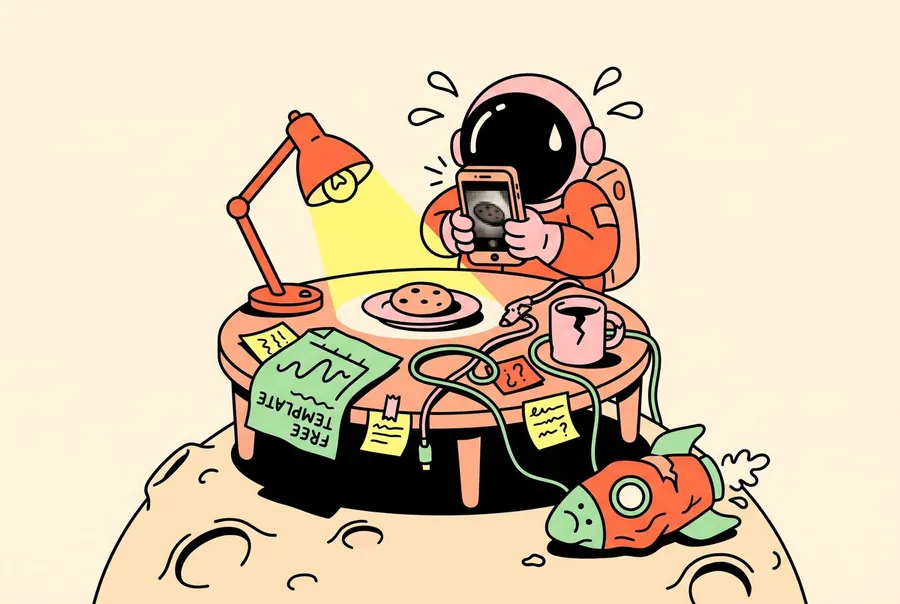
Phone photos and free templates make the product look cheaper than it is, and every channel ends up looking different.
From public institutions to small brands
 Institute of Archaeology, BelgradeFull campaign for the Amulum project
What you can send us
The D2C launch problem
PDPs, ads, launch pages, email and social all need assets that look like one brand. Most teams end up stuck between two bad options.
Option 1
Phone photos and free templates make the product look cheaper than it is, and every channel ends up looking different.
Option 2
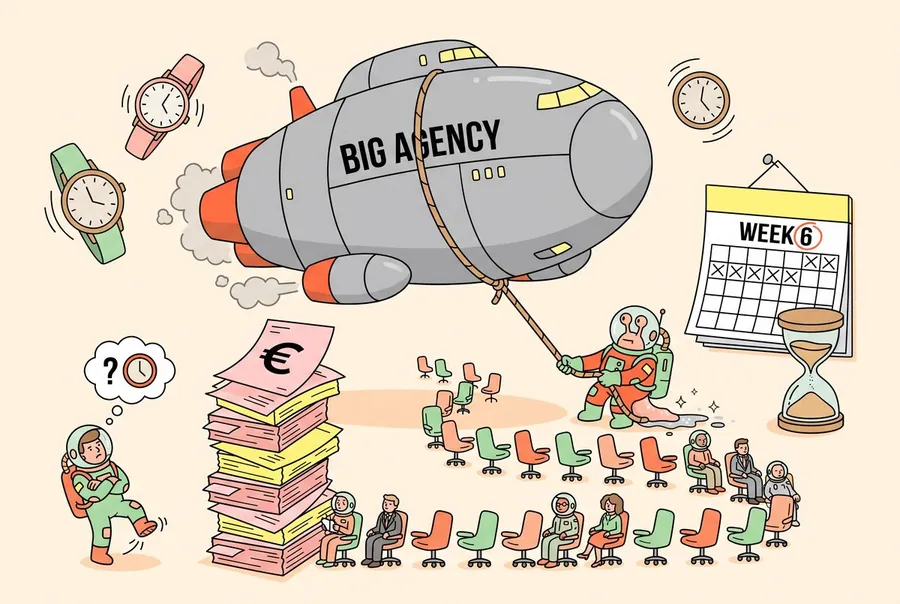
Weeks of calls, retainers and invoices before you see a single usable asset for the launch.
Option 3
Feels good
to say
Send the rough stuff. We turn phone photos, PDFs and voice notes into one launch-ready visual system for PDPs, ads and pages.
AMULUM / CASE 01 · FOR THE INSTITUTE OF ARCHAEOLOGY, BELGRADE
Amulum, a project of the Institute of Archaeology in Belgrade, came to us with a few rough phone photos, one blurry packaging shot and a vague idea. We ran the whole campaign: brand world, website, promo film and product imagery. This is the actual path, step by step.
A handful of phone shots, one out-of-focus packaging photo, and a short paragraph of notes. No logo files, no consistent lighting, no usable angles.
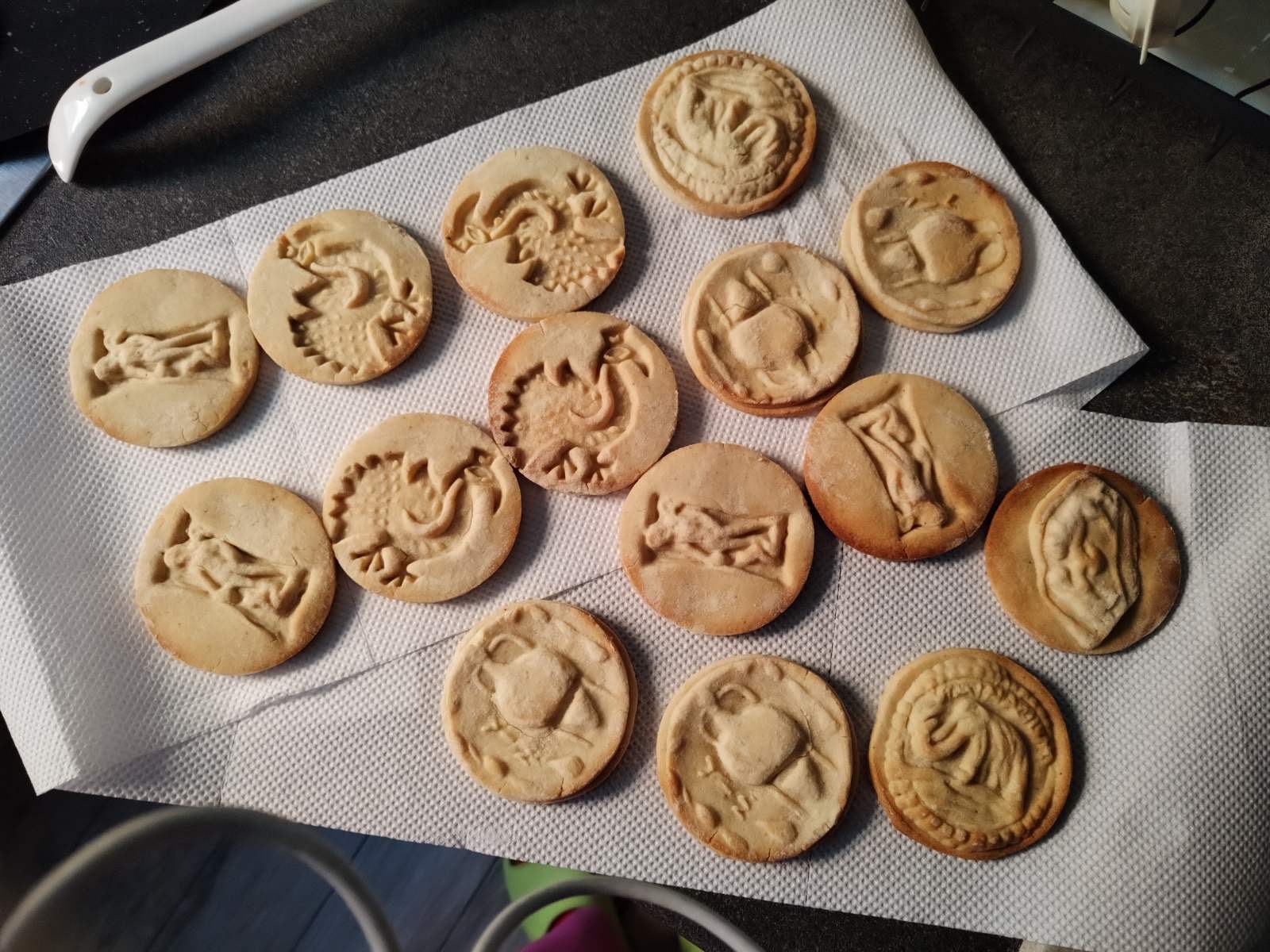
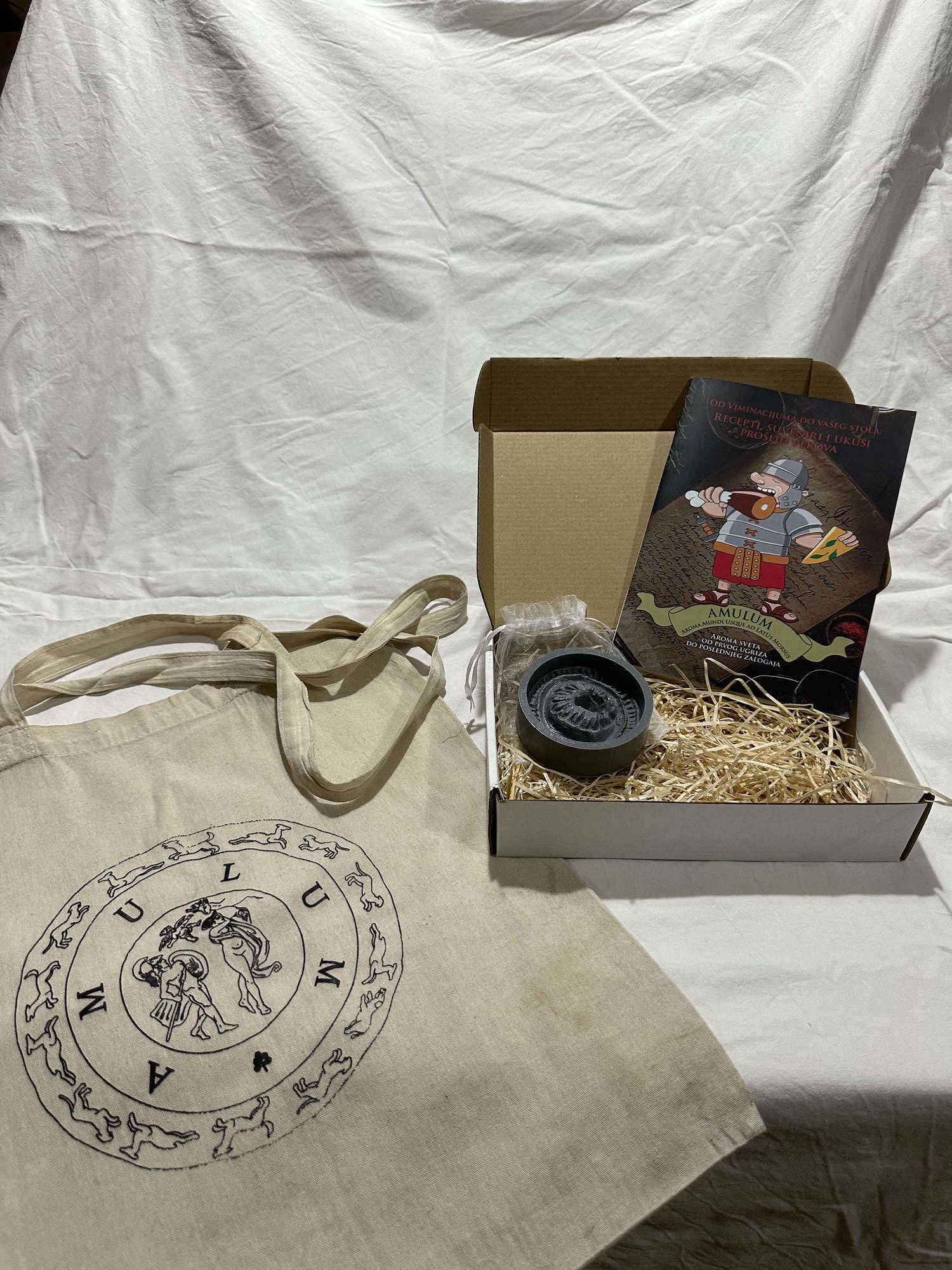
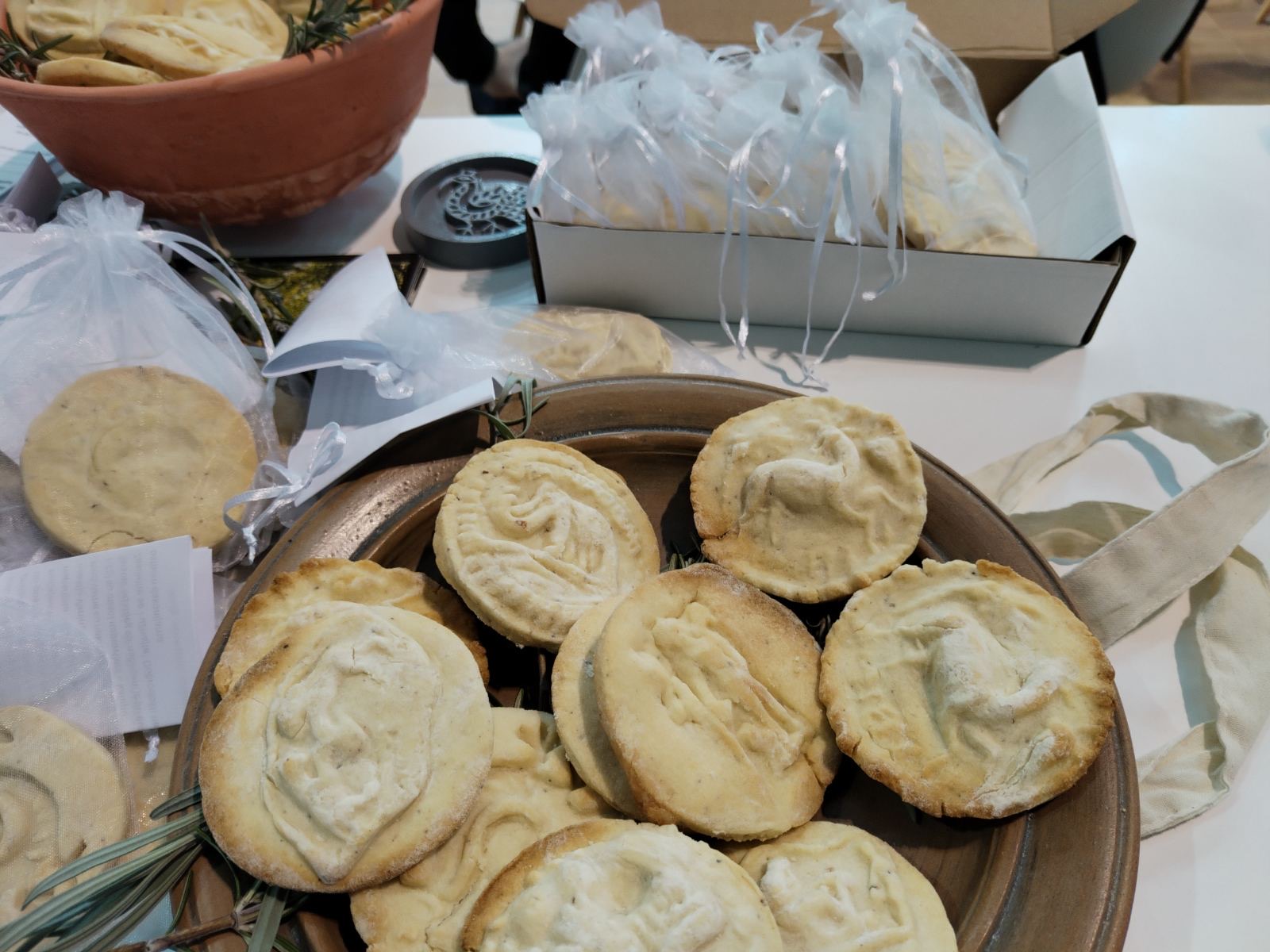
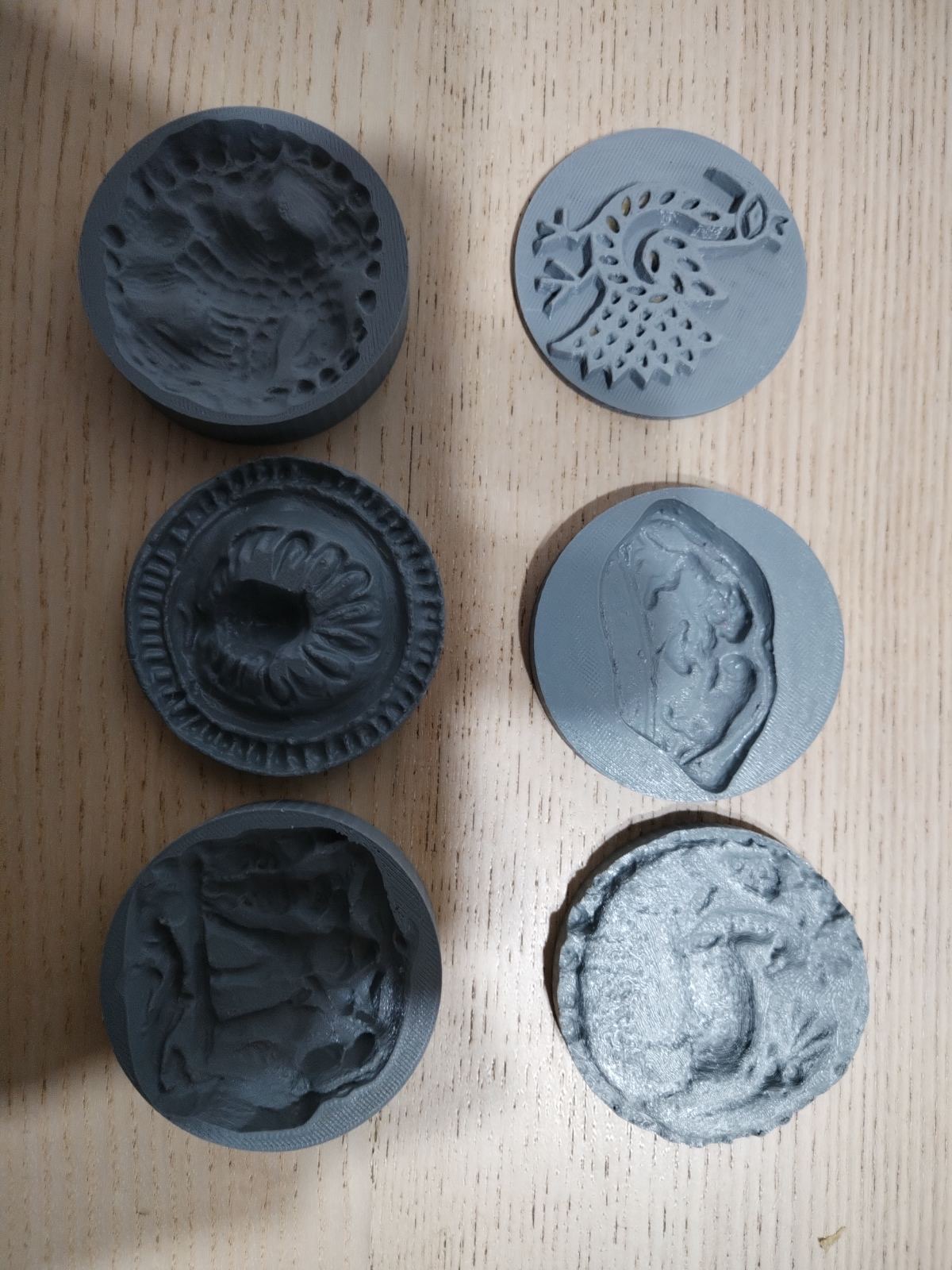
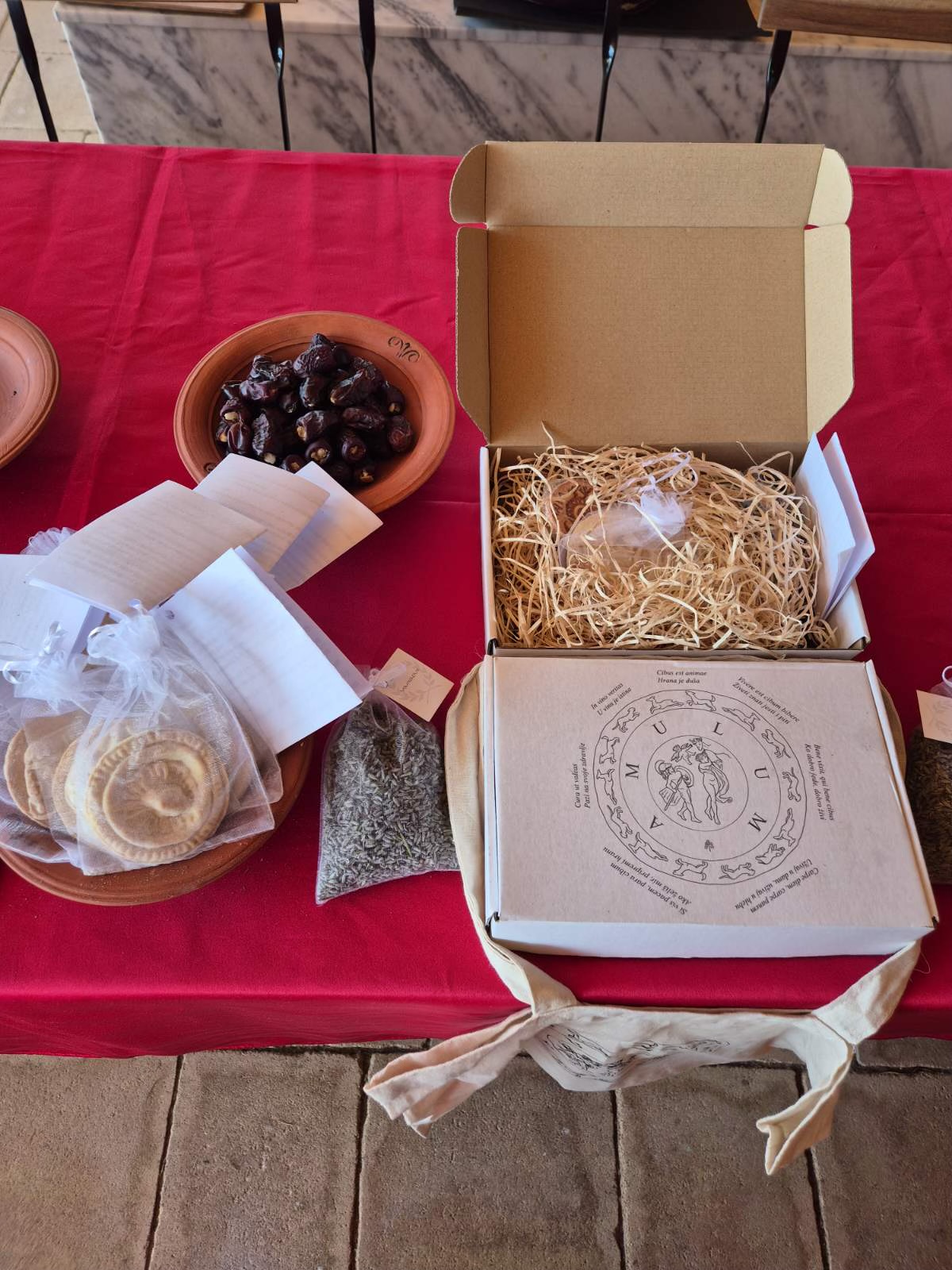
One flat product photo — and no way to show the embossed relief or the heritage story. The Roman motifs were the entire point, and in the raw material they were invisible.
Direction: museum-grade heritage, warm stone, deep Roman red.
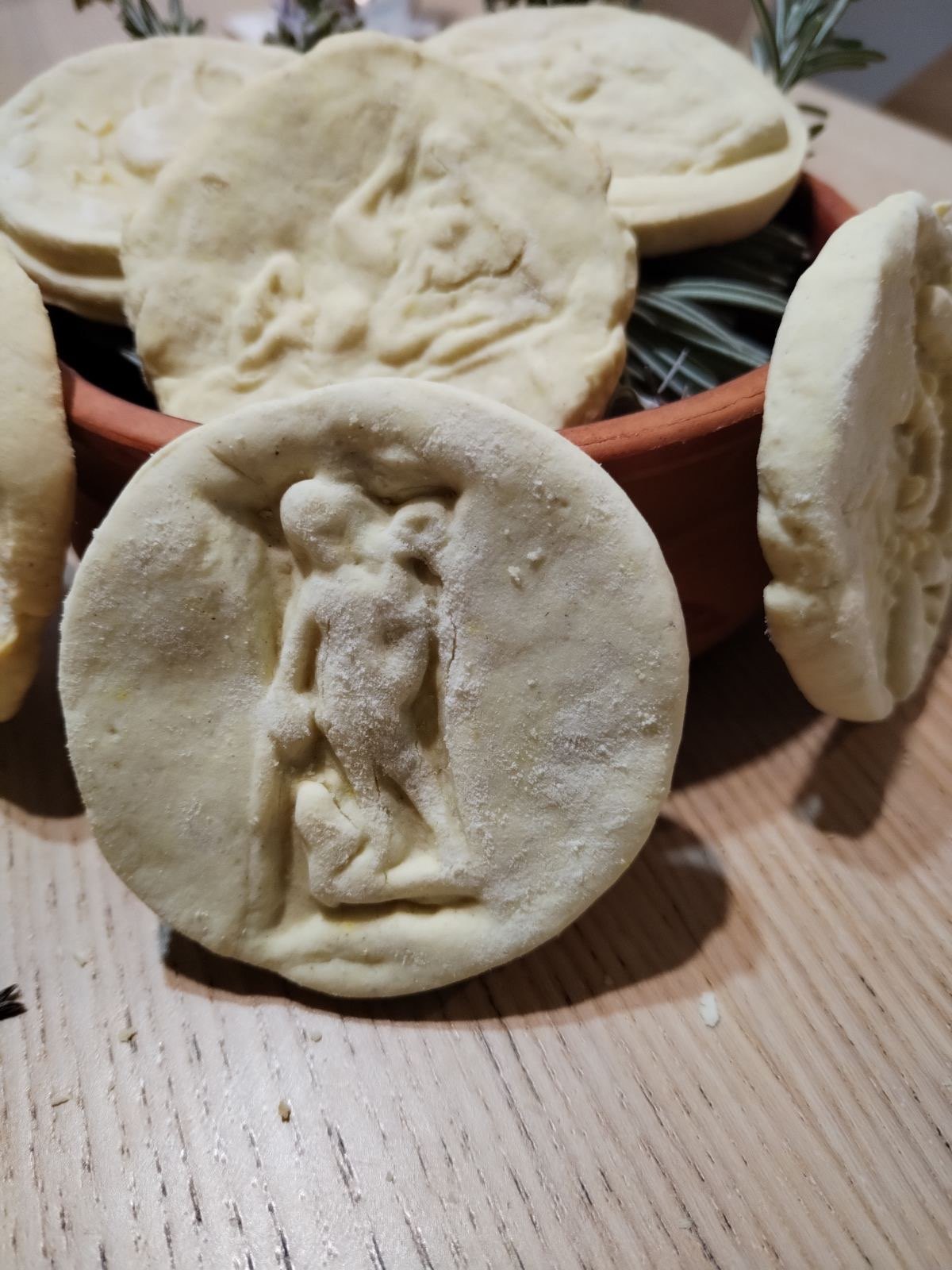
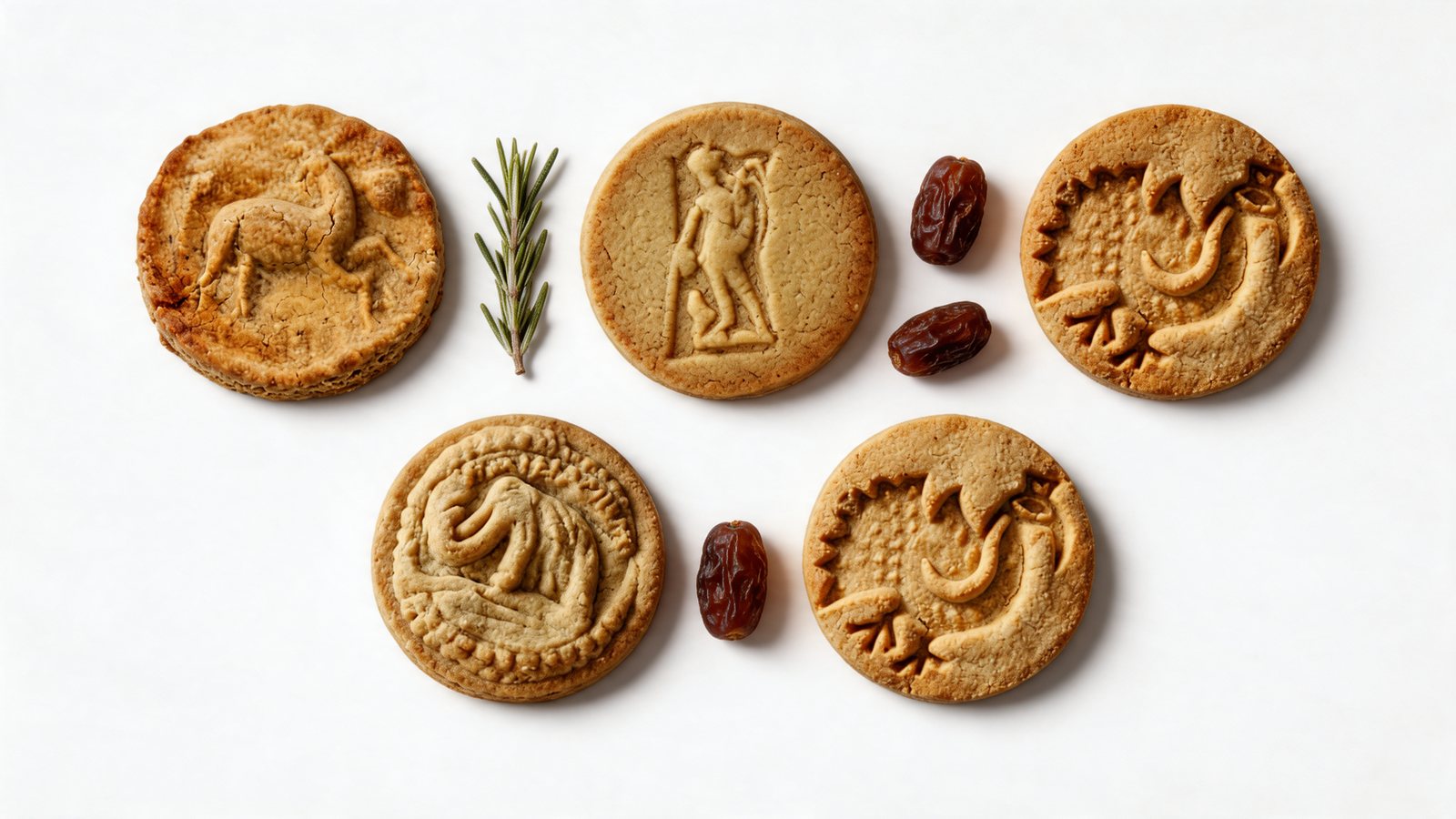
We rebuilt the look from scratch: cinematic product lighting, the embossed motifs staged as the hero detail, then that language rolled across every asset. Left is the phone photo we received, right is the finished shot. Both are shown uncropped.
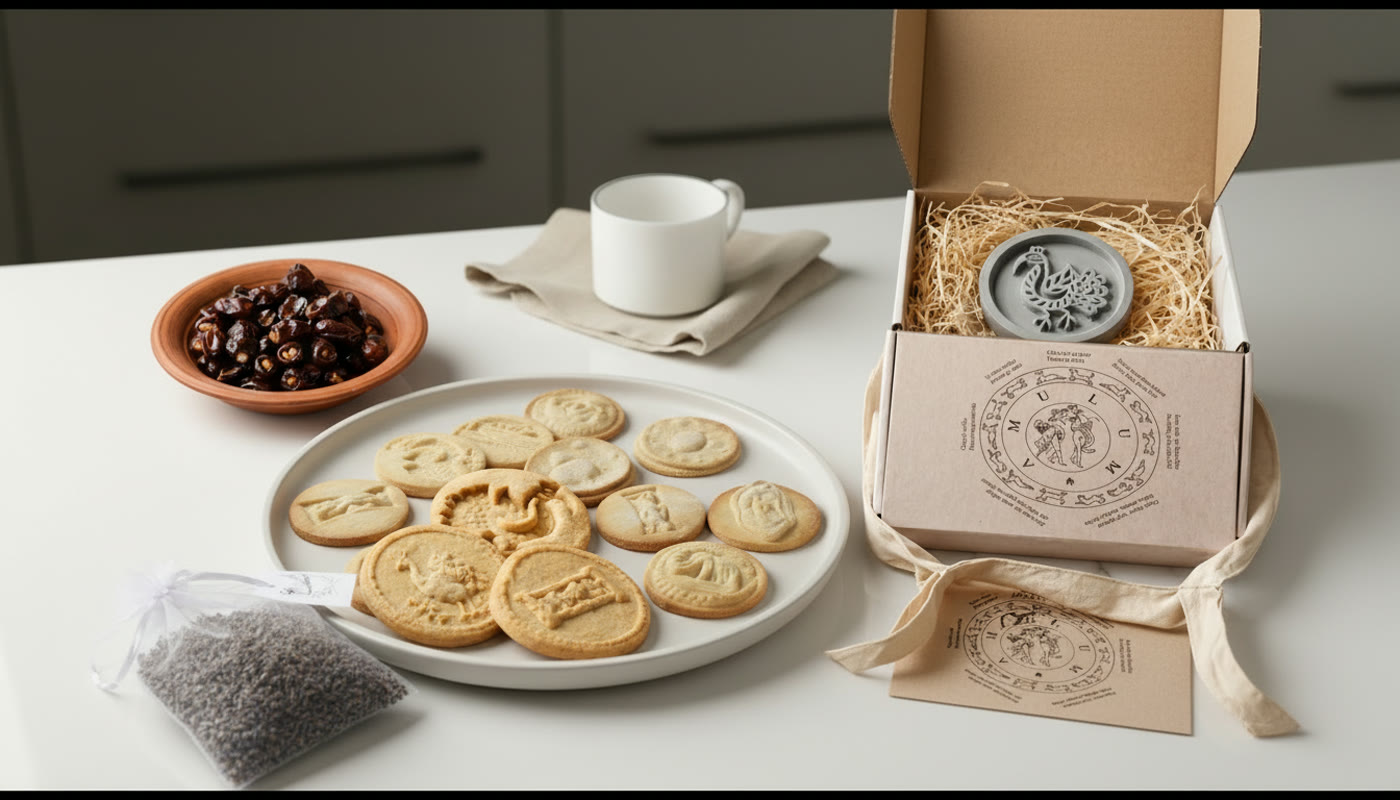
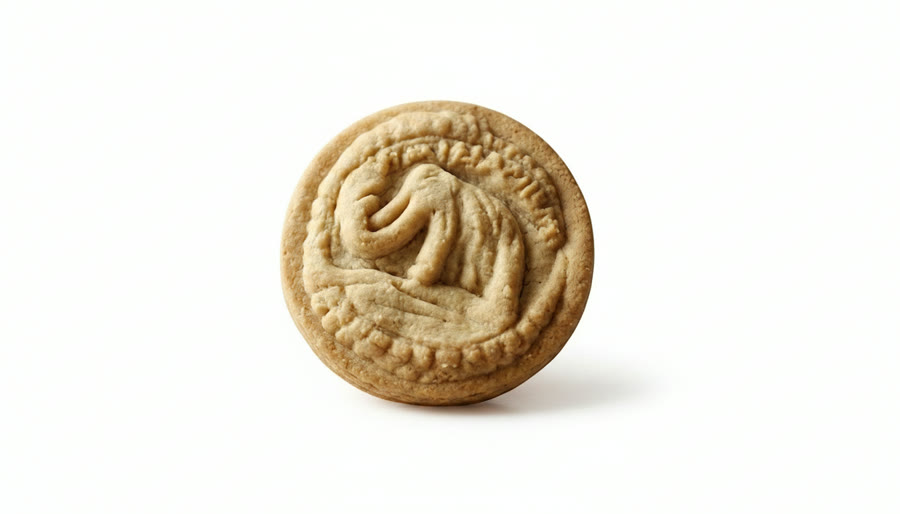
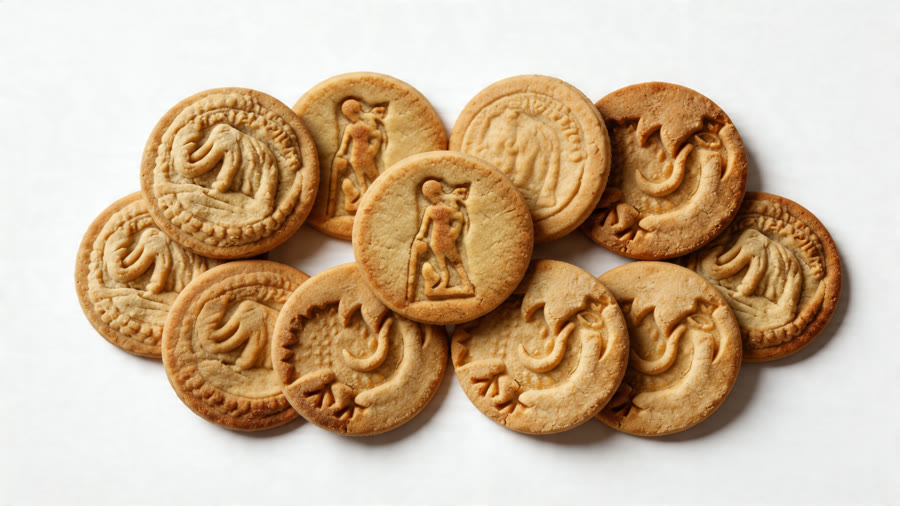
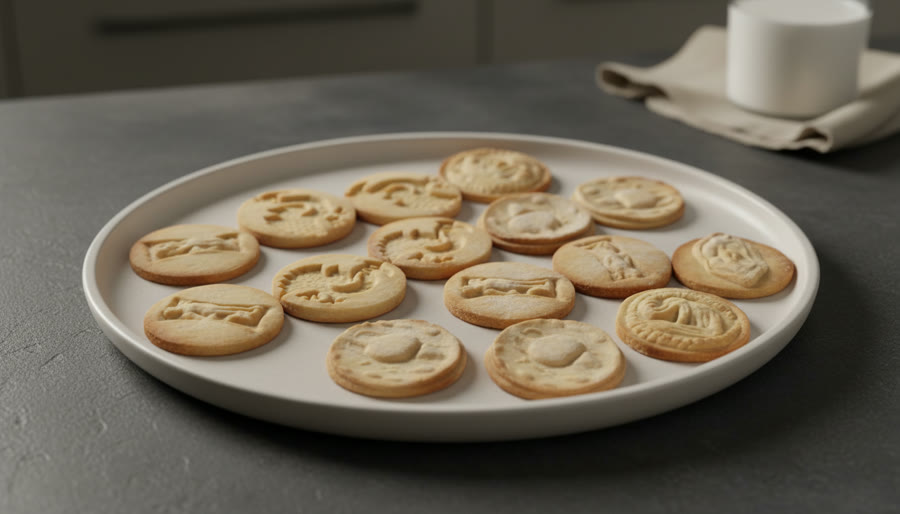
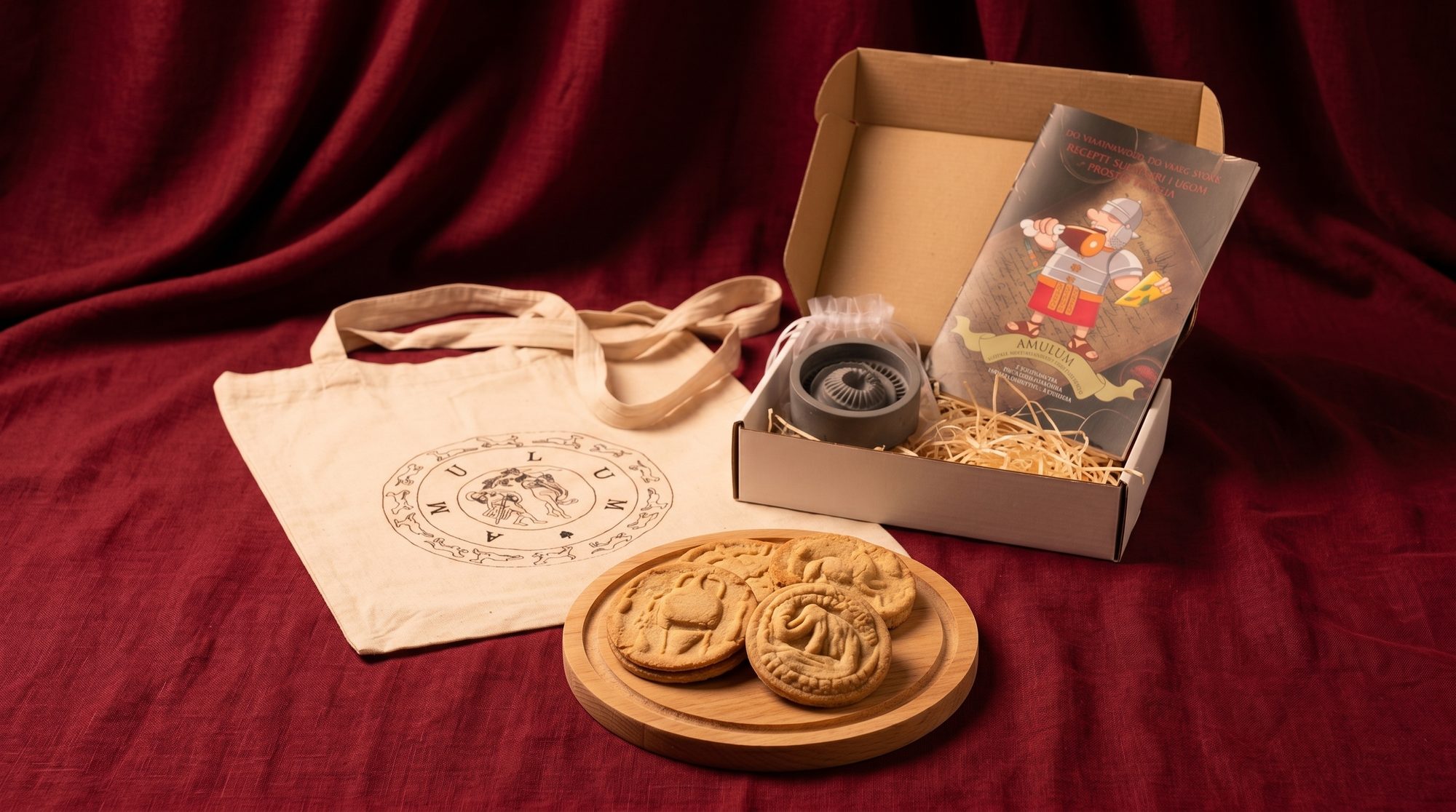
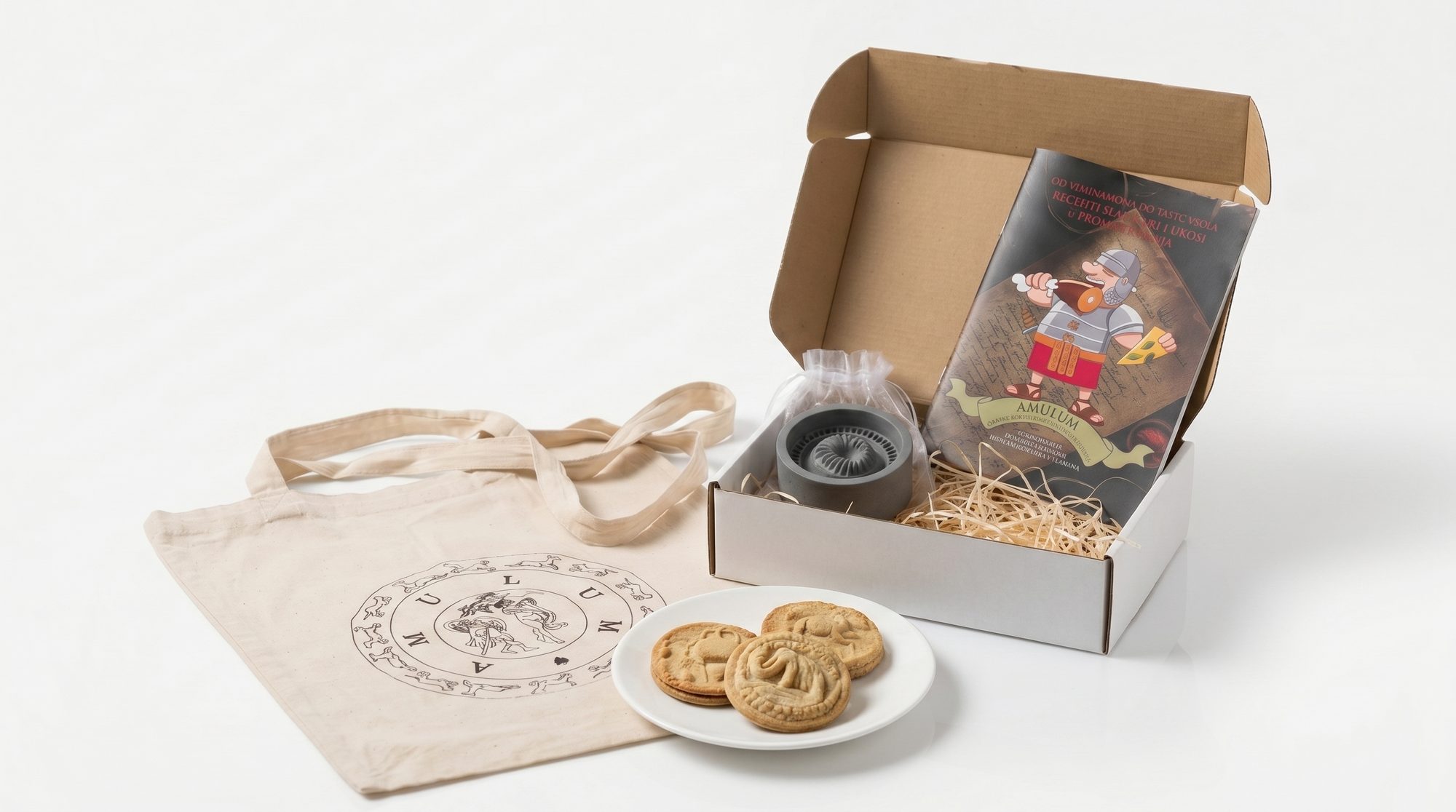
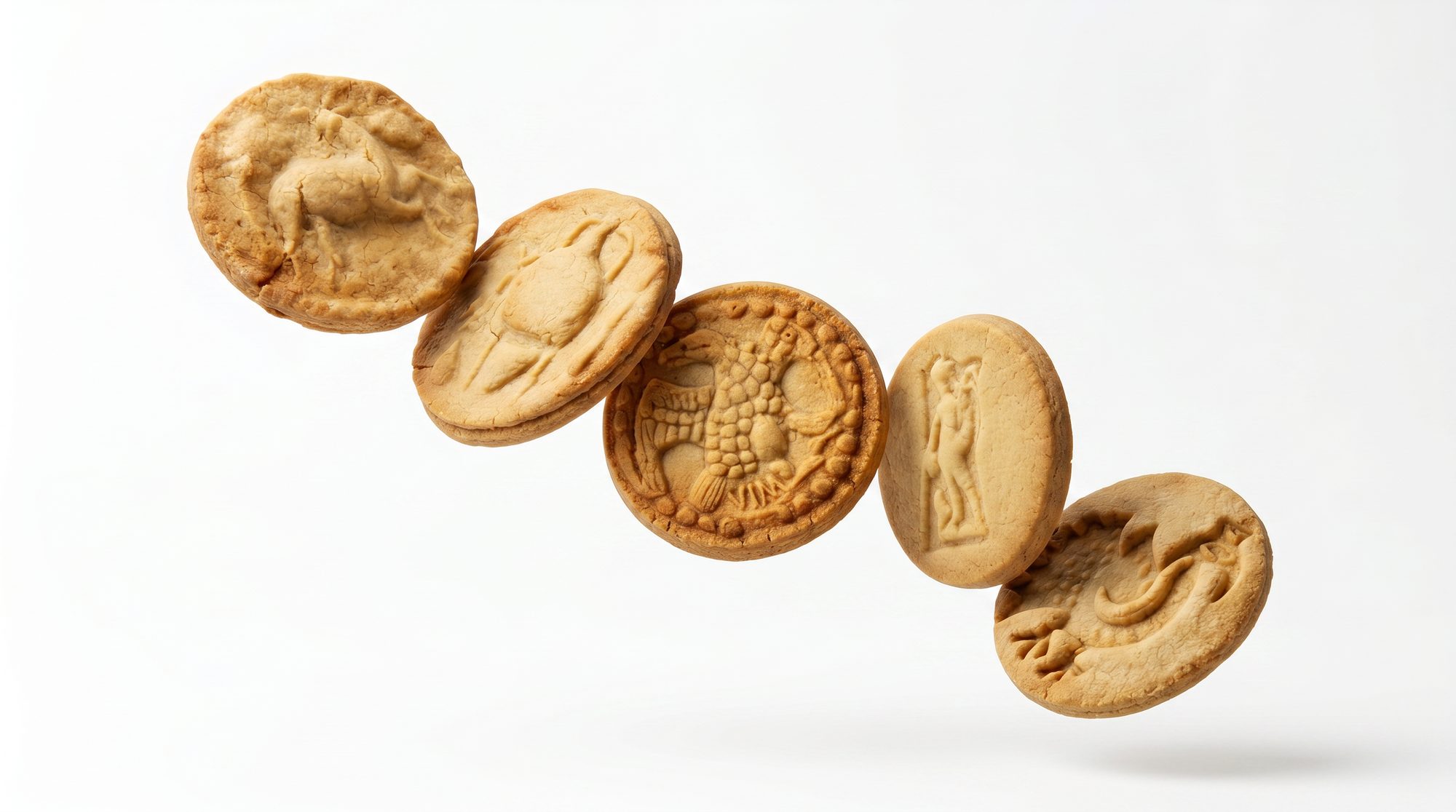
We do not sell isolated “design tasks”. We build the visual system a product needs when it has to look credible on PDPs, paid ads, launch pages, email and social.
Hero product visuals, packshots, lifestyle-style scenes and detail crops built from rough photos, renders or existing product assets.
Static ads, motion snippets, launch creative kits, seasonal drops and campaign frames built from one controlled art direction.
Landing pages, collection pages and campaign microsites that make the product, offer and visual world easy to understand fast.
Identity refresh, prompt systems, visual rules and production templates so future product content does not restart from zero.
"We do not sell polish. We build the version of your product that already knows how to sell itself."— Cameleon Studios
The offer is built for imperfect inputs. You do not need a perfect brief, polished product photos or a finished brand system to start.
Photos, a product link, packaging shot, PDF, voice note, Shopify page or a loose idea. We audit what is usable and what is missing.
We define the product story, premium cues, objections, channel needs and the visual direction that makes the product easier to trust.
Product visuals, short video frames, launch page direction, ad variants and reusable creative rules come from one controlled world.
Deliverables are prepared for PDPs, Meta, TikTok, email, Amazon, landing pages or internal launch decks with clear usage notes.
You get the assets, source notes where relevant, next-step recommendation and a clear answer on what to optimize after launch.
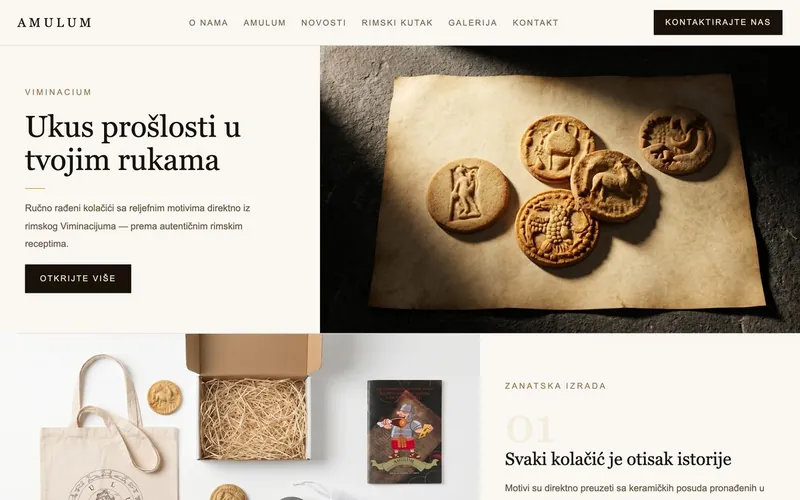
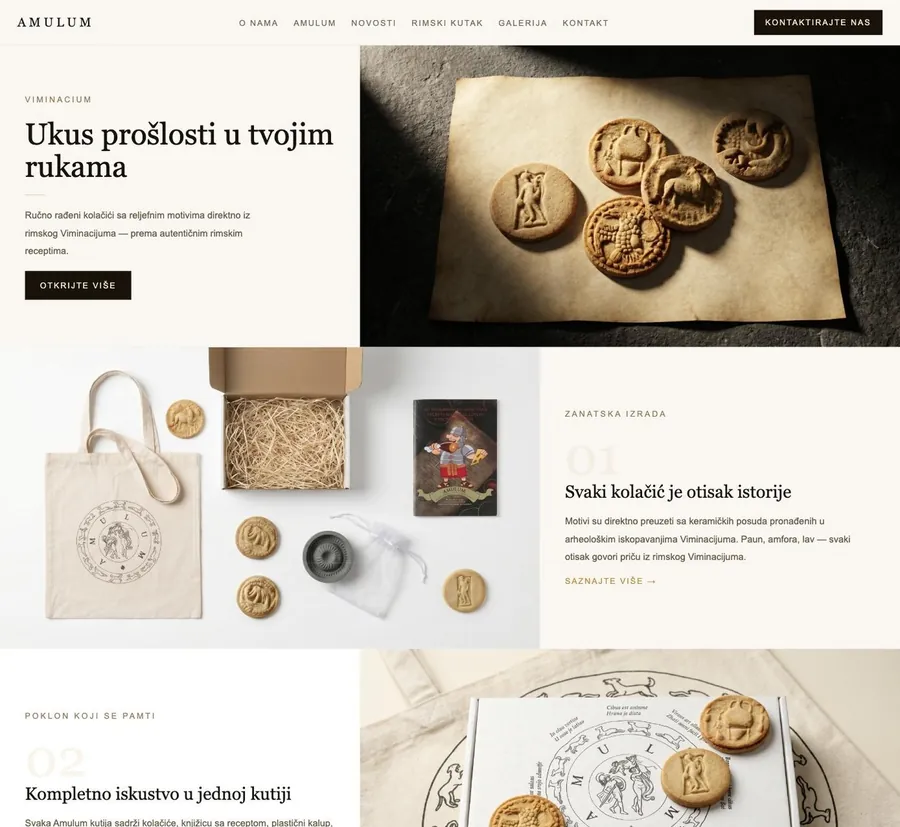
Rough phone photos in, a museum-grade brand world out: website, product imagery, promo film and packaging shots from one direction.
 Cameleon Studios
See case
Cameleon Studios
See case
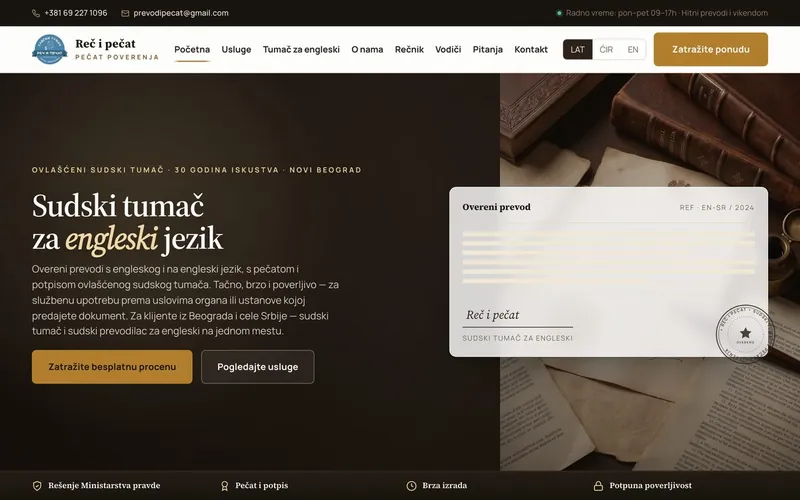
Trilingual site (Latin, Cyrillic, English) for an authorised English court interpreter in Novi Beograd: services, pricing, FAQ and a legal glossary.
Cameleon Studios
Visit site
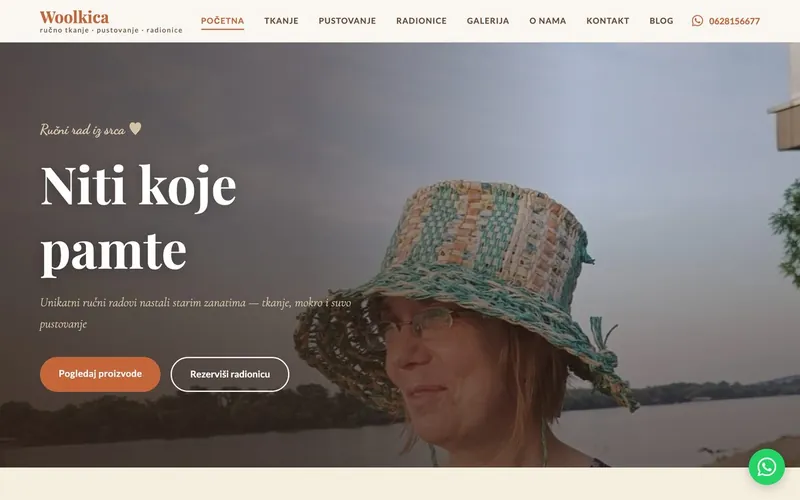
Handmade weaving and felting brand from Serbia: product pages, workshop booking over WhatsApp and practical blog guides.
Cameleon Studios
Visit site
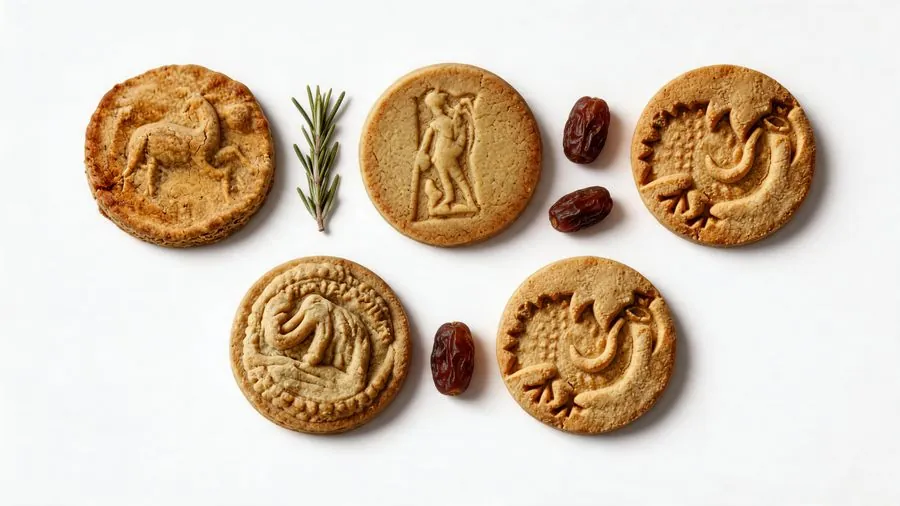
A few product photos, a blurry package shot and a loose idea became PDP-ready images with the embossed motifs finally readable.
Cameleon Studios
See case
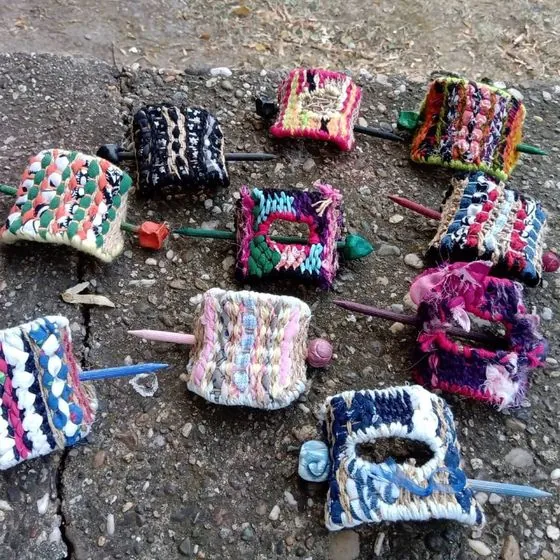
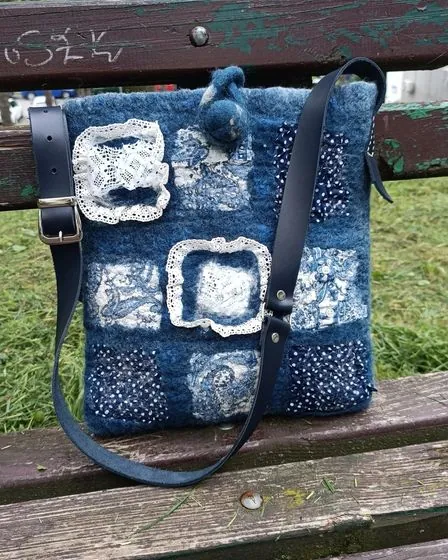
Product stills, texture details and social crops planned as one pack, so the shop, Instagram and Etsy look like the same brand.
Cameleon Studios
Request similar
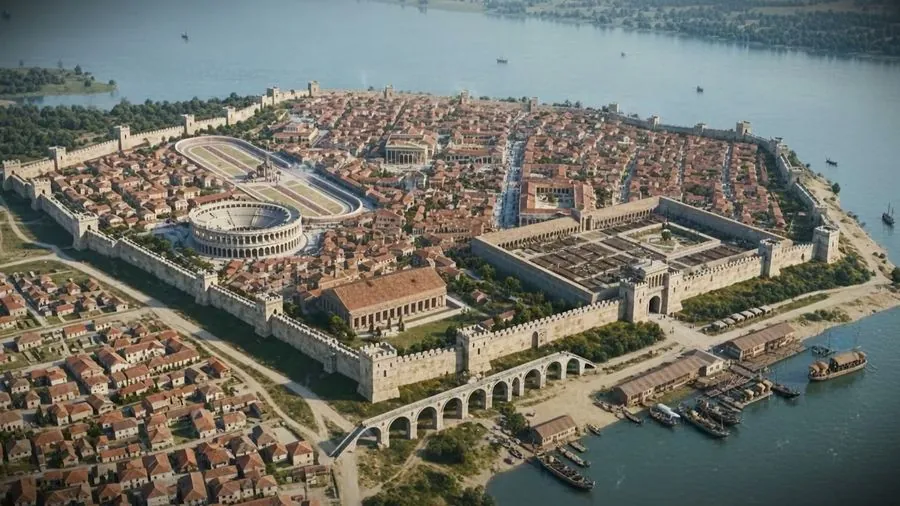
Film frames, cuts and a poster made from the approved direction, so the launch video looks like the website and the packshots.
Cameleon Studios
Watch in case
Before the first call
If the answer affects scope, budget or rights, it belongs on the page, not in a sales call.
That is the main focus. We are strongest when the output needs to help a product look more valuable across PDPs, ads, launch pages and campaign channels.
That is exactly the use case. Send the imperfect material. The first step is an audit of what can be used, what must be rebuilt and what direction makes the product easier to sell.
Both, depending on scope. A sprint can include product imagery, short video frames, web/landing direction, ad formats and repeatable production rules you can reuse.
Qualified briefs get a first scope direction within 4 hours. Real production timing depends on assets, revisions, usage rights and the number of channels needed.
The smallest useful engagement is usually a launch visual sprint. If the brief is smaller than that, we will say so instead of forcing a full package.
Yes, on request. Usage rights should be defined per project: web, paid social, marketplaces, packaging, print, territory and duration if those matter.
Revisions are scoped before production starts. We separate direction changes from execution fixes so the process stays fair and the timeline stays realistic.
We review the material, classify the project, reply with the best next step and either send a rough estimate or book a short scope call.
Phone photos, a PDF, a voice note, a product link. It goes in rough. What comes out is launch-ready: product shots, pages and film, with a first direction within 4 hours on qualified briefs.
Product photos, a PDF, a voice-note summary or a messy launch brief is enough
to get a clear scope direction, timeline and next-step recommendation.
Qualified briefs get scope direction within 4h · NDA on request · No obligation